


Eventbrite App
4.932.58K Reviews
App Specs
- Version
- 10.68.0
- Updated On
- License
- Free
- Downloads
- 10,000,000+
- Developer
- Eventbrite
- Categories
- Entertainment
- Platform
- Android, iOS
Screenshots
 Analysis by AppCompare
When I want to go out but have only a vague idea—live music, a useful class, or something different to do this weekend—I need more than a list of places. I need enough information to decide, a straightforward way to reserve a spot, and a reliable way to keep the plan straight afterward. That is the kind of problem Eventbrite is built around. It is a free entertainment app from Eventbrite, and I find it most useful when I want to turn a loose idea into an actual plan rather than scroll endlessly through social posts.
Its reach is part of the appeal: it has more than 10 million installs, a 4.9 average from around 255,000 ratings, and an Everyone age rating. It has been around since 2012, and version 10.63.0 supports devices running Android 8.0 or later. Those figures tell me it is an established option, though they don’t guarantee that every event in my area will be a good fit. The quality of the experience still depends on what local organizers publish and how much useful detail they provide.
From a vague plan to a real event
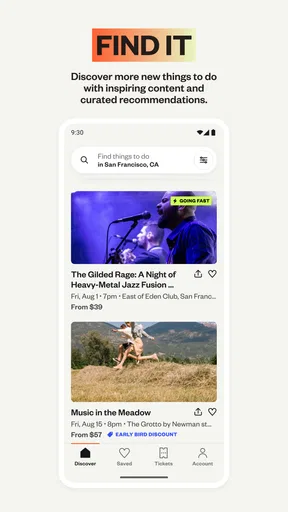
Eventbrite is your one-stop shop for discovering events happening around you. Whether it's concerts, workshops, or even a yoga class in the park, this app has it all. The best part? It’s incredibly intuitive. Just open the app, and bam! You're greeted with a plethora of options tailored to your interests. The search feature is super slick; you can filter events by date, location, or category. So, if you’re in the mood for some live music, just a few taps and you'll have your weekend sorted.
Start with a question, not a scroll
I get better results when I begin with a practical question: what day am I free, how far am I willing to travel, and what kind of outing suits my mood? Then I use the date, location, and category filters to narrow the choices. This is more useful than browsing every recommendation because it quickly exposes the trade-off between convenience and novelty. A nearby event may be easy to reach, while a more unusual listing could be worth the extra planning.
For a realistic example, imagine I have a free Saturday afternoon and want to do something besides my usual routine. I can search for an activity in the area, compare the event descriptions, and check whether the timing works before I invite a friend. That turns discovery into a manageable decision instead of a vague intention. If the results feel too broad, tightening the date or category is usually a better next move than opening every listing one by one.
Read the listing like a plan
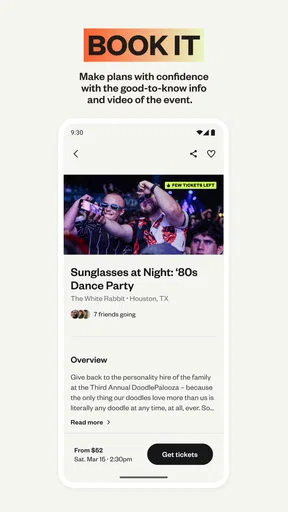
Once an event catches my eye, I treat its page as the first handoff from browsing to planning. I look at the description for the format, timing, and any practical details the organizer has included, then compare that with my own schedule and travel plans. Ticket prices and seating information can help me judge whether the event fits, but I still read the listing carefully rather than assuming a short summary answers every question.
This is also where I slow down. Eventbrite brings together listings from organizers, so descriptions can vary in detail and style. If something important to my decision is unclear, I would rather check the organizer’s event information before committing than rely on a guess. That small pause can prevent a mismatch between what I expected and what the event actually offers.
Worth Reading Before You Choose

Baby Panda World Brings Quick Play to Modern Phones, but Its Game Library Feels Busy

ESPN’s Live Game View Makes Following Close Games Easier

QuizzLand Review: A Good Fit for Short Trivia Breaks, Not Every Player

Basketball Stars: Multiplayer Is Fast, but Can It Recover When Matches Go Wrong?

WEBTOON Turns Phone Updates Into a Better Reading Routine

Link to Windows Runs on Shared Habits, Not Social Feeds
Seamless Booking Experience
Once you've found that perfect event, booking your spot is a breeze. The app integrates ticket purchasing seamlessly. No more jumping through hoops or dealing with clunky interfaces. You can view ticket prices, seating arrangements, and even get a glimpse of what to expect through event descriptions. Everything is just a click away. And for those who love a good deal, keep an eye out for early bird discounts or exclusive offers.
For me, the practical benefit is having discovery and booking close together. I can compare a couple of options, decide which one works, and move on without rebuilding the search in a separate app. Still, I don’t treat a discounted ticket as a reason to book an event I’m unsure about. The useful question is whether the date, location, and event details all make sense for me; the ticket price only matters after that.
When the plan leaves the app
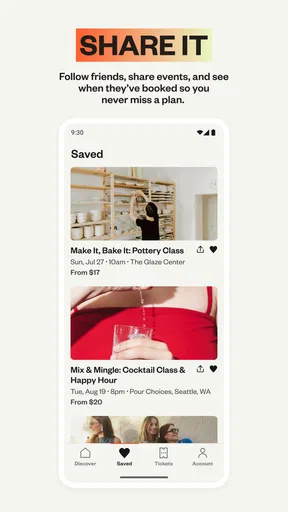
Booking is not the end of the workflow. A ticket needs to become a plan that I can find again when the day arrives, and the people I’m going with may need the same details. I use the event information and calendar option to keep the date visible, then share the essentials with anyone joining me. That handoff matters: a saved event is useful to me, but a clear time and meeting plan are what help a group actually show up together.
If I’m organizing a casual outing with friends, I settle the practical questions before the day: who has booked, where we’ll meet, and what happens if someone is running late. The app can keep event details close at hand, but it cannot make everyone coordinate automatically. I still send a direct message when a group needs a definite meeting point or a last-minute change.
Stay in the Loop
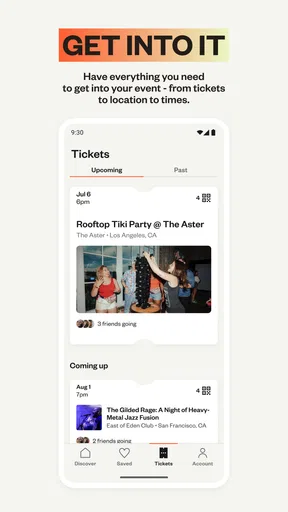
One of the coolest features is the app's ability to keep you updated. With the notification feature, you’ll never miss out on any changes or updates about your event. Plus, it syncs with your calendar, so there's no excuse for missing out. It’s like having a personal assistant in your pocket.
I see notifications and calendar syncing as safeguards, not substitutes for checking the event details. A calendar entry helps me protect the time, while an update can draw attention to a change; neither replaces looking at the latest information before leaving. My small habit is to revisit the listing close to the event, especially if I booked well in advance. That gives me a chance to catch details I might otherwise have forgotten while making the original plan.
Hosting is a different kind of use
The app is not only for choosing what to attend. For someone hosting a class, gathering, or performance, the event-creation tools offer a way to present the event and set ticket prices. That makes it relevant to small organizers who want a dedicated listing and a route to reach potential attendees, rather than relying only on a social post that can quickly disappear from a feed.
There is a trade-off here: creating a page is only one part of running an event. Organizers still need to write clear details, choose sensible ticket information, and promote the event to the right audience. I would use Eventbrite as a practical publishing and discovery channel, not assume that being listed alone guarantees attendance. A complete description also helps attendees decide whether the event is right for them, which can reduce avoidable confusion later.
Creating and Hosting Events
For those of you who are more of the hosting type, Eventbrite has got your back. Creating an event is straightforward. You can customize your event page, set ticket prices, and even promote it through the app's marketing tools. It’s perfect for creators looking to reach a wider audience without breaking the bank on advertising.
I think this side of the app makes the most sense for an organizer who wants to keep the event’s public details in one place and make it easier for interested people to find them. It is less compelling if the event is private, invitation-only, or already managed through another system that attendees know and use. In those cases, adding another platform may create more coordination work than value.
Going alone, or bringing a group
For people attending solo, seeing who else is going may make an event feel less intimidating and give a sense of shared interest. I would treat that as a light social cue, not a promise that I’ll meet someone or that the attendee list represents everyone who will be there. If I want company, I still invite a friend directly; if I want to meet new people, I choose an event where conversation naturally fits the activity.
That distinction is useful for workshops and community gatherings, where the activity itself can give strangers something to talk about. A concert may be a great choice for the music but less suited to chatting during the performance. Event discovery can help me find the setting; my expectations about socializing need to match the kind of event I choose.
Community and Connection
What I love most about Eventbrite is how it fosters community. It's not just about attending events; it's about connecting with like-minded people. You can see who else is attending, which is great if you're going solo and want to make new friends. The app really brings people together, and in today’s digital age, that's a pretty special thing.
Compared with searching a general web browser, the advantage is that listings are organized around events and can bring discovery, ticket information, and planning into one flow. Social media can be better when I want recommendations from friends or direct conversation with a local group. A venue’s own page may be the stronger choice when I need authoritative details from that venue. I use Eventbrite to find and compare possibilities, then rely on the organizer’s latest event information for specifics that matter to my decision.
Where the experience can lose momentum
The app is most helpful when local organizers have added enough events and written useful descriptions. In a quieter area, or for a very specific interest, the selection may not match what I have in mind. Broad searches can also produce options that look appealing at first but are inconvenient once I consider the timing or journey. Filters help, but they cannot create a suitable event where there isn’t one.
There is also a difference between an easy booking flow and a friction-free outing. I still need to plan how to get there, check the event information, and keep the ticket details accessible. If I’m comparing several events, I avoid leaving the decision until the last moment when the date is near; a shortlist based on location, timing, and description is easier to act on than a long collection of saved possibilities.
I would skip it as my main tool if I only want a venue directory, personal recommendations from people I know, or a comprehensive guide to everything happening in a particular neighborhood. It is also not the right answer when an organizer’s own channel is the clearest source for event logistics. For discovering ticketed activities and moving from search toward a booking, though, it fills a more focused role than a generic map or social feed.
User-Friendly Interface
Let’s talk about the interface for a second. It’s clean, minimalistic, and oh-so-satisfying to navigate. Whether you’re a tech wizard or someone who still struggles with emails, Eventbrite makes it easy for everyone. The design is intuitive, with everything laid out clearly. No clutter, no confusion, just pure efficiency.
That approachable feel is especially helpful when I am trying to decide quickly, but simplicity should not tempt me to rush past the details. I find the app works best as a decision aid: narrow the choices, inspect the listing, then make a deliberate booking. It is less useful if I expect the interface itself to tell me whether an event is worth attending. That judgment still comes from the description, the practical fit, and what I want out of the day.
Conclusion: A Must-Have App
In a nutshell, if you love discovering new experiences, or you're looking to promote your own, Eventbrite is a must-have app on your phone. It’s like having a little genie that knows all the coolest happenings around town. So, whether you’re looking to spice up your weekends or planning an event to remember, give Eventbrite a spin. You won’t regret it!
My recommendation is more measured: try it if you often need a starting point for finding activities, want event details and ticket booking together, or are preparing a public event page. Keep another source nearby when you need personal recommendations or venue-specific certainty, and build in a quick check of the listing before you head out. Used that way, Eventbrite can turn “we should do something” into a date, a choice, and a plan I’m more likely to follow through on.
Pros
- User-friendly interface and navigation.
- Wide range of events available.
- Easy ticket purchase process.
- Seamless integration with calendar apps.
- Real-time event updates and notifications.
Cons
- Occasional app crashes reported.
- Limited search filters for events.
- Some events with high service fees.
- Restricted offline access to tickets.
- Limited support for non-English users.
FAQs for Eventbrite App
What is Eventbrite and how does it work?
Eventbrite is a versatile platform that allows users to discover, create, and manage events. Whether you're organizing a small gathering or a large conference, Eventbrite provides tools to promote and sell tickets. Users can browse events by location or interest, making it easy to find something exciting. The app integrates seamlessly with calendars and social media for enhanced connectivity.
Is Eventbrite free to use for event organizers and attendees?
Eventbrite offers both free and paid options. For attendees, many events are free to register, though some may have ticket prices set by the organizer. For organizers, creating free events comes at no cost, while paid events incur a fee based on the ticket price. This fee can be absorbed by the organizer or passed on to attendees.
How secure is the Eventbrite app for transactions and personal information?
Eventbrite takes security seriously, implementing industry-standard encryption to protect user data and transactions. Payment information is safeguarded with PCI compliance, ensuring that credit card details are securely processed. Additionally, users have control over their personal data and can manage privacy settings within the app for added peace of mind.
Can I use Eventbrite offline, and does it sync with other calendar apps?
While Eventbrite primarily functions with an internet connection, the app does allow offline access to certain features like ticket storage. This is particularly useful for attendees checking in at events. Moreover, Eventbrite syncs with popular calendar apps, such as Google Calendar and Apple Calendar, ensuring that users never miss an event.
What are the customization options available for event organizers on Eventbrite?
Event organizers have a wide array of customization tools at their disposal. They can create personalized event pages with branding elements, set ticket pricing and tiers, and utilize promotional codes. Eventbrite also offers analytics tools to track ticket sales and attendee engagement, helping organizers refine their event strategy and maximize attendance.


